Showing posts with label Dental Health. Show all posts

Friday, 30 August 2019

The Crazy World of Teeth

There are several similarities between our teeth and those of animals. As humans, we form two sets of teeth over the course of our lifetime, starting with baby teeth that are then replaced by adult teeth. On average, every person should have around 32 teeth in total; this includes four wisdom teeth, eight incisors, four canines, twelve molars and eight premolars. Similarly, many animals have a variety of these same kinds of teeth, depending on whether they are meat eaters, plant eaters, insect eaters or a combination. Both us and animals have teeth that are very strong and amazingly constructed, made up of a mix of calcium, phosphorus, and other assorted minerals. Beavers also have massive amounts of iron in their teeth, resulting in their teeth having a strong orange colour but helping to keep the teeth strong enough to gnaw on trees.  


The Massive

With the wide variety of diets and lifestyles that animals live, there are several who have a very interesting and unique dental structure. Hippos have many hidden teeth. Though on first glance it may seem that they only have 4 big teeth, they commonly have 40 in total. Hippos also have the longest canine teeth of any animal, reaching up to 3 ft long. Their incisors are capable of biting right through a small boat.


Amongst the many fascinating creatures out there, Narwhals are truly intriguing. They are born with a horn on top of their head which is actually a tooth that can grow to 8 feet or longer. Narwhals use their horn to taste and measure the concentration of chemicals in the water around it in order to find food.

The Many 

Animals like giraffes, dogs and cats have a similar number of teeth to us, but some animals have even more. Like humans, there are many creatures that also lose their teeth throughout their life, for example elephants and sharks. Elephants can have four sets of teeth in their lifetime and their tusks are the longest teeth in the world.


Similarly, Sharks can have over 30,000 teeth in their entire lifetime and on average lose one tooth a week, which is then replaced with a fresh new tooth. Sharks also don’t get cavities because their teeth are protected with a layer of fluoride. The main difference is that unlike humans, they never stop producing new teeth. But for us, our adult teeth are all that we get, which means that we have to take good care of them. On the other hand, Dolphins only have one set of teeth for the entirety of their life and just like humans, they need to take care of the teeth they have too.

The Maintenance 

Animals have their own ways to care for their teeth, just like us, ensuring they stay healthy and free of cavities or other issues. But unlike humans, animal diets are naturally low in sugar and therefore are less likely to develop severe teeth problems. Some animals like zebras, beavers, squirrels and other rodents have teeth that never stop growing. They chew on tough foods like nuts, leaves and bark, which helps to wear down their teeth and keep them from growing too long. In fact, most animals have a habit of chewing on materials like bone or tree bark which helps to keep their teeth clean and healthy.


Just like animals who are naturally proactive at cleaning and taking care of their teeth, we need to make sure that we are doing the same. Due to the commonly high amount of sugar in our diets, our teeth are extremely vulnerable, and it is very important to clean thoroughly and with care several times a day. It is also a good idea to have regular check ups with your dentist, in order to prevent any serious issues from arising and causing long term problems and hassle.

Don’t take your teeth for granted, because it’s the only set you get. Midlands Smile Centres is here to guide and help you along your dental journey, providing you with the right treatments and offering you the support you need.

Wednesday, 7 August 2019

4 Unconventional Ways to Clean Teeth


Although the importance of good dental health is something that doesn’t change around the world, the methods used to ensure teeth and gums stay in good condition do. This blog looks at methods for taking care of teeth that you may not have known about, and how utilising the more familiar techniques for daily dental health is a real boost to teeth, gums and your all-round smile.

Miswak

One slightly less familiar technique of cleaning teeth and gums is the use of an implement known as a miswak. The miswak is often used in the Middle East as well as within regions of South and Southeast Asia. It is a twig taken from the arak tree that has its end frayed to create bristles, before water or rose water is applied to these bristles. The bristled end of this twig is rubbed against the teeth, and its wood component is rich in fluoride along with additional antimicrobial components. The beneficial effect of this method is that it plays a key role in protecting teeth from tooth decay.

“Chew Sticks”

Another method is the use of twigs taken from other trees that could be described as “chew sticks”. The usage of these twigs has been a part of certain cultures for many centuries and the effect of them on the teeth, according to various studies, is one that can be compared to the everyday toothbrush.
However, these twigs are unable to make contact with those difficult to reach places between the teeth. Plus, without the correct usage on the teeth they can cause damage and can harm the gums as well.


Using Walnut Tree Bark

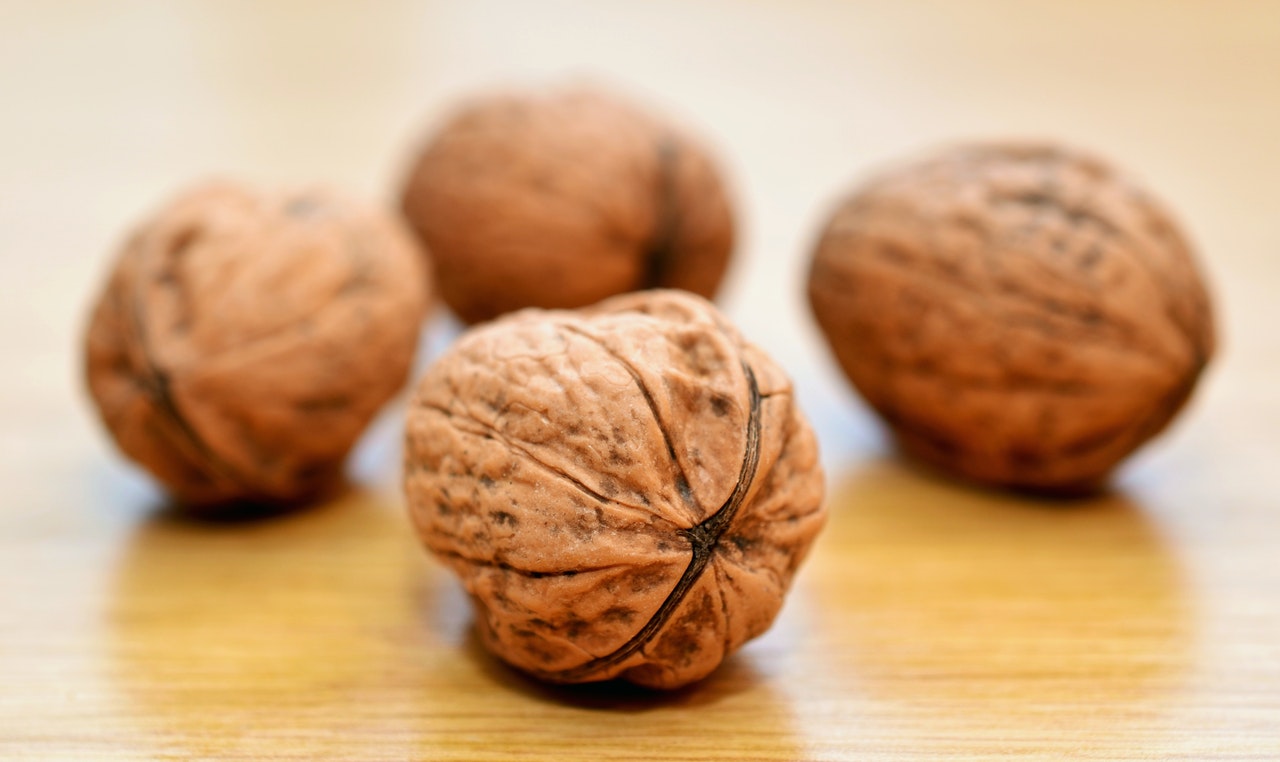
In certain countries, walnut tree bark is rubbed onto the teeth with the use of just the fingers. The reason of this being done is due to the belief that the bark embodies antimicrobial properties. It is also thought that this bark introduces a whitening effect to the teeth. Thus far, there have been no studies carried to ascertain whether the rubbing of this bark onto the teeth creates the desired effect.
In contrast, the whitening of teeth through what could be considered conventional methods in this day and age have been demonstrated to be both successful and effective.


Charcoal, Other Materials and Oil Pulling

Mud, salt, ash or brick powder have also been utilised in other parts of the world such as India and South America to clean teeth. Although these materials do have the ability to eliminate both staining and plaque from the teeth, they are not imbued with fluoride. Additionally, these materials can have an abrasive impact on the teeth, which can cause receding gums and tooth sensitivity.


However, charcoal is different. According to some evidence, charcoal is able to render harmful bacteria ineffective. There is also a method known as ‘Oil pulling’ which can be good for preventing gum inflammation, when done alongside brushing and flossing- a nice example of the different methods working together harmoniously. An ancient practice, oil pulling makes use of sesame and coconut with olive or sunflower oil. These ingredients are rinsed around the mouth for 15 minutes in an effort to cleanse the mouth of toxins and bacteria.

Conventional Methods and Tips

Conventional methods are tailored towards targeting the exact ways in which teeth can be put at risk from day-today. To keep your teeth at their best, a combination of these methods, techniques and a general healthy habit is advisable for consistently good dental health.

Toothbrushing: It’s common knowledge that the brushing of teeth is a regular requirement for healthy teeth, but it’s sensible to also look into getting an electric toothbrush if you do not already have one. Electric toothbrushes have a smaller head than ordinary manual ones, enabling them to clean hard-to-reach places, and they generally offer a more rigorous and consistent clean than manual tooth brushes.


Flossing: A good general recommendation is that we should be flossing at least once a day. The benefits of this doing this are clear: flossing removes particles of food that are trapped between teeth, which defends your teeth from plaque build-up and lowers the risk of you developing gum disease.


Mouthwash: An easy part of your daily dental routine, using mouthwash freshens breath and is advantageous to the teeth by eliminating bacteria and reducing both the plaque film and early gum disease.


Drinking Water: Particularly useful when you are out of the house and away from your toothbrush, swishing some water around your mouth after eating can dislodge food particles stuck on and in between teeth. This helps to protect teeth from bacteria as well as giving them a fluoride boost.


Tongue Scrubbing/Brushing: Especially useful for keeping breath fresh, tongue scrubbing/brushing is an additional method to employ for further oral health improvements. By brushing or scrubbing your tongue you will also help keep your teeth free from bacteria and toxins.

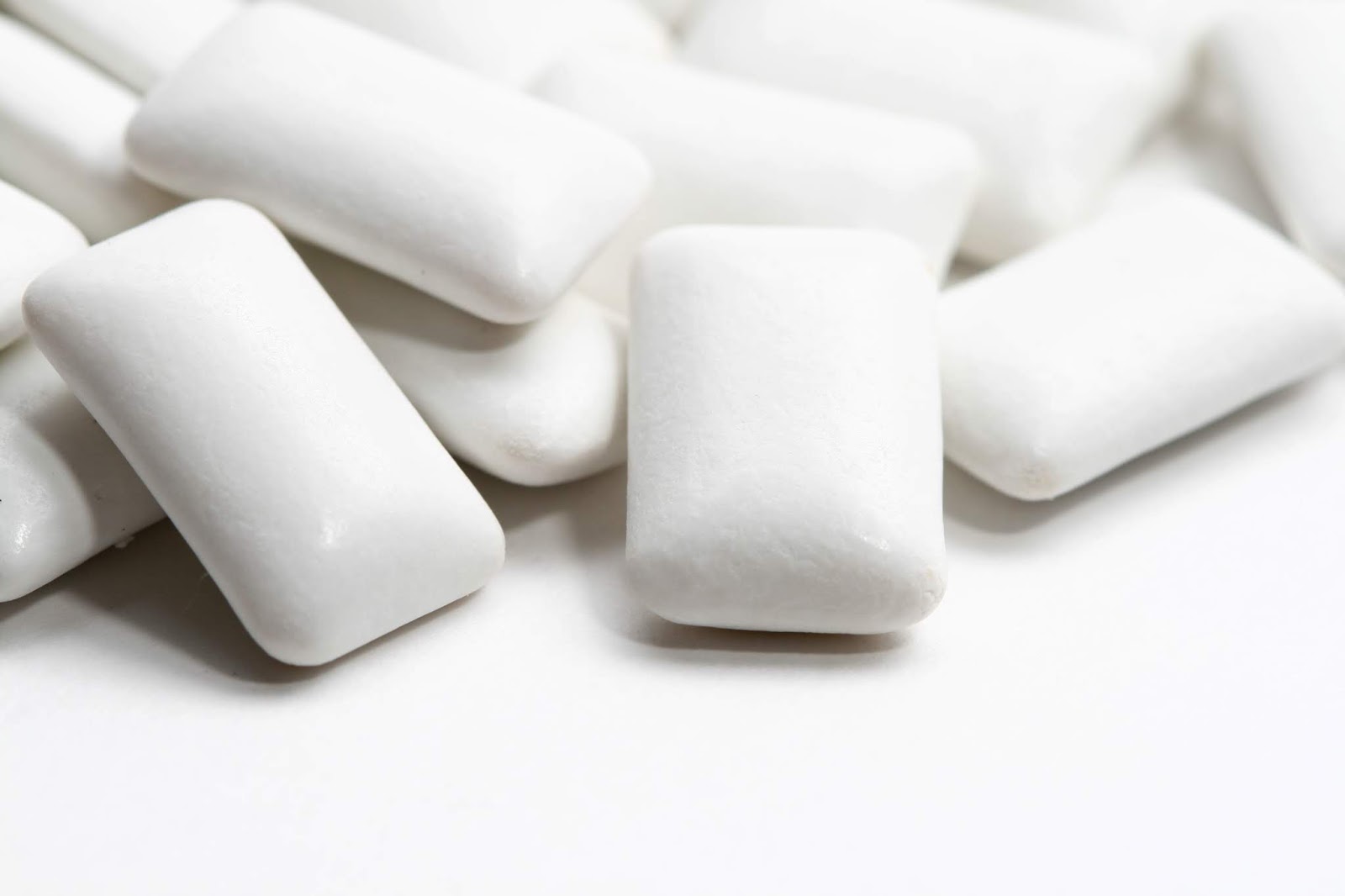
Sugar-free Gum: Another tip that can help whether you’re at home or out and about, chewing sugar-free gum is a great thing to do after eating. Chewing pieces of sugar-free gum can help remove food debris from your teeth and combat bad breath. Plus, by increasing the amount of saliva in your mouth, it can strengthen enamel, neutralise acids and offer protection against cavities.


Dental Visits: And, of course, a sound approach to keeping teeth at their best is not complete without regular visits to your dentist!

MSC- Midlands Smile Centres

By making MSC your dentist, you can make sure that a reliable and highly-skilled standard of dentistry and care can be provided to you on a regular basis. With affordable prices and a range of treatment types to give you the smile you’ve always wanted, or fix those nagging issues that have bothered you for some time, Midlands smile Centres are a dentist with you in mind.


Contact MSC today to find-out what we can do for you!!

Tuesday, 2 April 2019

Why You Should Get Regular Dental Check-Ups


When was the last time you had a regular dental appointment? Following the given advice of having a check-up every six months has a lot of benefits for your pearly whites. A regular check-up will normally include;


1.      An examination over your oral hygiene and overall health of your gum and teeth.
2.      Spotting any problems with your teeth such as cavities or gum disease and obtaining relevant and successful treatment.
3.      Checking on the condition of your gums.
4.      Removing build-up of plaque and tartar on your teeth.
5.      Receiving professional dental advice on your brushing and flossing techniques.
6.      Time to ask any questions you may have relating to the effects of diet, alcohol and smoking on your teeth.
7.      Reporting any dental problems you may have had since your last appointment.


What if there is a problem with my teeth?


Nobody wants to endure things like toothache, nerve pain, build-up of plaque or bad breath.  Midlands Smile Centres offer several dental treatments to alleviate problems like these found during a routine check-up. These include:

1       Fillings – these are used by dentists to remedy decaying teeth. There are three different types of filling; composite/white fillings, metal fillings and dental restorations.


2       Orthodontic Treatment – this involves a brace being fitted to correct crooked teeth or the bite of the patient.  The different types of braces used include Damon braces, Invisalign braces and Six Month Smiles.

3       Hygienist Treatment - this is a scale and polish treatment for your teeth. This type of treatment helps to minimise tooth decay, gum disease and tooth wear.

4       Oral Surgery (extractions) – an example of this is the removal of wisdom teeth that may cause discomfort or to address overcrowding if there are too many teeth.

Ignoring a problem with our teeth is likely to lead to further problems if left untreated.  Be sure to book an appointment with your dentist for regular dental check-ups to keep your teeth and oral hygiene in good condition. You can book a dental check-up at your local dentist in Birmingham online.


Top tips for improving your dental health

The Do’s:


1.      Brush your teeth on a regular basis. The advice given for daily bushing is twice a day however, brushing in between meals would give your teeth an extra boost of protection and will lead to better oral hygiene.

2.      Use an electric toothbrush. Whilst brushing with a regular toothbrush using the correct technique can keep your teeth clean, using an electric toothbrush gives a more effective clean. The smaller brush head gets into the harder to reach back teeth to keep them healthy and in good condition.

3.      Brush your tongue. Doing this this reaps many benefits such as improving your oral hygiene, which is the result of the amount of bacteria inside your mouth. It can also make your breath smell minty fresh and feel cleaner.

4.      Have necessary treatments advised by your dentist. This is key to keeping your teeth happy and healthy.


5.      Eat foods that are beneficial to keep your teeth strong. Products that are high in calcium are particularly beneficial, such as cheese and yoghurt. Some fruits, such as strawberries, can also be beneficial for your dental health.

6.      Chew sugar free gum. Chewing sugar free gum helps your oral health by encouraging production of saliva in your mouth, which then neutralises the acidity on your teeth which would otherwise cause problems such as cavities and bad breath.


7.      Use dental products such as floss and mouthwash. Including these in your daily oral hygiene routine will minimise dental problems developing. Flossing is an extremely useful technique because it removes food from places in your mouth that regular brushing can’t, and it can also help to remove plaque.  Mouthwash is another dental product you can use to rinse out trapped food, which also helps to eliminate bad breath and the build-up of tartar. 


If you would like to know more about your dental health, contact your local Midlands Smile Centre today 

Friday, 18 January 2019

Starting the New Year with Healthy Teeth

Over the Christmas period, there is really no getting around the fact that the festive season is a time for a little indulgence: chocolate, biscuits, puddings- they all seem to be part of the whole Yuletide experience, and part of what makes the festive season so enjoyable. Now that we're all into the New Year, you have a fabulous opportunity to start putting into practice dental hygiene habits that you might have overlooked in the past twelve months.


Getting into good habits really is an essential part of caring for your teeth and gums. Where better to find out about these good habits than from your dentist? Putting these habits into practice is not difficult and will only improve the standard of your teeth.

No matter the time of year, not following good dental habits can cause deterioration of your teeth. So, make sure you are fully aware of how to care for your smile.

Dental Floss

Let's start with flossing. Flossing can be a bit awkward and a bit time-consuming, but it helps in a way that is hard to replicate with just brushing. Flossing is something that most experts are likely to advise you to do, so it would be a wise move now to ensure that it remains a consistent aspect in your daily dental routine. Flossing is hugely important because it removes the pieces of food between your teeth that regular brushing fails to reach. Consequently, your teeth will be free of those pesky remains of dinner which can actually lead to the build-up of plaque, eventual gum disease and cavities.

Flossing should be a gentle process that rubs both sides of the teeth around each gap. It should also get into the gap that exists between the gum line by firstly curling the floss around your tooth, and it should clean around the back of your last tooth.


It may be that you would prefer to use an interdental brush to clean between your teeth. Or, another alternative to dental floss is disposable flossers- small sticks with a small length of floss on the end that are quick and easy to use.

Mouthwash

Although some people may find mouthwash a little too intense for their mouth, there is no denying that it is an effective way to boost your dental hygiene. Plus, with so many different types of mouthwash currently available in the shops, you are sure to find one that suits you. In addition to the fact that mouthwash enhances your dental health, it's also great for fresh breath.


Brushing

Regular brushing of your teeth is of course crucial. What you may not have considered before though is how investing in an electric toothbrush could actually heighten the standard of cleanliness for your teeth. Wandering through high-street pharmacies today will reveal a number of options, but in general, all electric toothbrushes offer a more thorough clean than manual ones. An electric toothbrush operates continuously with consistent speed, rhythm and pressure, meaning that it is superior to the human hand with a manual toothbrush in its palm. In addition, the head of the electric toothbrush is smaller than that of a manual toothbrush, allowing you to get to those harder-to-reach places.


Sugar-Free Gum

Sometimes getting to your toothbrush is just not possible. Whether you're at home, someone else's house or even at work, after the left-over Christmas biscuits or chocs have been passed around, popping a piece of sugar-free gum into your mouth is such an easy way to take care of your teeth. The chewing of sugar-free gum for just twenty minutes can increase the production of saliva in the mouth which results in the neutralisation of acids. It can also strengthen the enamel of your teeth and will leave you with fresher breath. Not only that, but it can also help dislodge any remains of food in your mouth.


Water

Another quick and easy way to enhance your dental health that can be done whether you're in your home or not is to drink water and to use it to rinse your mouth. Most of us know that drinking plenty of water is a good idea, but a quick swill after eating will also help to dislodge any pieces food clinging to your teeth for better dental hygiene.


Further Dental Improvements with MSC

MSC- Midlands Smile Centres- can make sure that your new year is one of not only healthy teeth but an amazing smile as well. With various practices dotted around Birmingham, MSC offer a wide array of excellent treatments at affordable prices and boast a team of highly skilled and experienced dentists that can make the smile you're looking for a new reality for you in 2019.

Get In-Touch with MSC Today to Find-Out What we Can Do For You!!


Wednesday, 9 January 2019

Better Diet, Better Dental Health


A good, balanced diet can be great for your general health, but what you may not be so familiar with, is the level of importance that a good diet has in maintaining your dental health. This blog sheds some light on the role that your diet can play in making sure your teeth stay in a healthy condition as well as the repercussions that poor eating and drinking habits can have on your dental health.

Sugar

Of course, excessive consumption if sugar isn't advisable. And when it comes to our dental health, failure to effectively regulate the amount of sugar in our diet can lead to tooth decay. According to the NHS, the recommended amount of sugar to be consumed by adults is 30 grams of free sugars (7 sugar cubes approx'). Free sugars are sugars added to food and drink such as chocolate, biscuits, flavoured yoghurt and fizzy drinks; they are also found in unsweetened fruit juices, smoothies, honey and syrups.


The sugar contained naturally in fruit, milk and vegetables is not classed as free sugars.

Lowering Your Sugar In-take

Avoid drinking fizzy, sugary beverages and squash, and try opting for drinks that are no-added sugar, or diet, or ones that are sugar-free. Or simply choose a glass of water. If however, you still would like a sugary fizzy drink, maybe try mixing no-added-sugar squash with sparkling water to create something similar to a standard fizzy beverage. Attempt to not drink more than 150ml of unsweetened fruit juices or smoothies.


Another tip to employ in regard to sugar in drinks is to put sweetener in your tea or coffee instead of sugar. Or think about slowly cutting-down the quantity of sugar you put into your drink on a regular basis until you reach a point where you will not have any sugar in your drink.

Food

There are ways to bring your sugar in-take down regarding food, as well. Choosing a reduced sugar spread for your toast, or putting something else on there instead, such as banana or a low-fat cream cheese, is a good way of making your breakfast a little healthier. You can also shop for foods that have lower amounts of added sugar and seek-out the reduced sugar alternatives. The nutrition or ingredients labels should include this info' for you.


If you are cooking from a recipe, check how much sugar and other unhealthy ingredients are being used. You can either use a healthier alternative (and often tastier!), or simply reduce the amount used. For breakfast, unsweetened whole grain cereals are particularly good for you. Try also to avoid breakfast cereals that are frosted or covered in honey or chocolate. If you are a bit put-off by the lack of sugar in your unsweetened breakfast cereal, you could try introducing some dried fruit, berries or bananas to it, for a sweeter taste. When it comes to purchasing tins of fruit, go for those in juice, and not syrup.

Alcohol

Drinking alcohol is commonly not conducive to good dental health. Alcohol can remove the surface from your teeth, creating a loss of enamel as a consequence. This is problematic, as the loss of enamel can mean that having a filling will become necessary. Additionally, high-levels of alcohol consumption is linked to a heightened chance of mouth cancer.


Staining

Another part of our teeth being in a healthy condition, is them being white and free-from stains, and it's also something that makes our smile appear that little bit nicer, too. Eating and drinking in the right way will help to keep your teeth healthy and help ensure that they do not become stained. Drinking tea and coffee is one way that your teeth can become stained, so it is advisable to limit how many of these drinks you have. Other types of food and drink that can create staining are curry, red wine, beetroot, cola and tomato-based sauces.

Anything Else?

As previously stated, ensuring you eat and drink healthily and avoiding certain types of food is key to good dental health. But to make sure that you are caring for your teeth properly, read these tips and check that you are doing what you can on a daily basis to maintain your dental health.


  • Brushing twice a-day; preferably with an electric toothbrush
  • Using mouthwash
  • Flossing
  • Regular visits to the dentist
  • Not postponing any dental treatments that are required
  • Using sugar-free gum

Whatever problem you have with your teeth, whether it's cosmetic or something more essential, MSC are always worth contacting. They boast several practices throughout Birmingham, making them easy to reach. MSC are staffed by a team of highly experienced and superbly skilled dentists that can offer you a whole range of dental treatments at affordable prices.


Get In Touch With MSC Today To Find-Out How They Can Help You!!

Wednesday, 19 December 2018

Top 15 Tips for Looking After Your Teeth


As you may be aware, looking after your teeth is important for ensuring a healthy, white smile. Unfortunately, with the easy accessibility to more and more harmful products, we are seeing a rise in the number of people heading to the dentist with a problem with their teeth. A lot of the time, however, this can be avoided by simply knowing how to prevent it in the first place.

Read below for Midlands Smile Centres 15 DO's and DONT’s to looking after your teeth.


1)    Do – Choose your brush carefully

Most people don’t take much time to look into this, and why would you? A toothbrush is a toothbrush, right? Well on closer inspection you’ll find that there are a variety of different toothbrush all aimed around correcting different problems. Next time you're looking at a new toothbrush, take into consideration what you're looking for. A simple change such as this can help to keep your tees in good order without costing you a fortune.


2)    Do – Use sugar-free gum  
 
Believe it or not, sugar-free gum does wonders for dental health. Making sure you have a pack on you wherever you go could make a  big difference to your teeth. The use of chewing gum helps to increase the volume of saliva in your mouth which in turn helps to neutralise acid levels in the mouth and on your teeth. This helps to prevent further damage to your teeth. And of course, the other added bonus of chewing gum is fresh minty breath everywhere you go.


3)    Don’t – Ignore a dental problem

If you notice something isn’t right with your teeth and gums, go and see your local dentist. There’s nothing to be afraid or embarrassed about. The most important thing is your health. Avoiding and ignoring problem will only cause further problems for your mouth and can lead to much more problematic issues later in life.


4)    Do – Floss your teeth

Now, I bet you're sick and tired of hearing this, but it really is a great way to keep your teeth clean. Flossing your teeth on a regular basis is a good way of ensuring you reach every surface on your teeth. This simply cannot be achieved with brushing alone. This simple task can be complete anywhere and will have a significant effect on your teeth.


5)    Do – Use mouthwash

Just like using floss, mouthwash is able to reach places that a normal toothbrush may have missed. This will guarantee that your entire mouth is as clean as possible. Mouthwash is also great at eliminating bad breath and sustaining a minty taste throughout the day.


6)    Don’t - Use your teeth as tools

Some of the stories we get told about the cause of broken teeth are astounding. Your teeth are for eating, and eating only. They shouldn’t be used for any other purpose, such as a bottle opener. Trust us when we say it’s not a pleasant experience when something goes wrong.


7)    Do – Vary your diet to include foods that are good for your teeth

There are a large number of foods out there that are not only tasty, but are also great for keeping your teeth clean. Like chewing gum, some food can help to remove acid from your mouth. While it is certainly more important to make sure you clean your teeth regularly, you should think about this during your next trip to the supermarket.


8)    Do – Wait an hour after eating before brushing

You might be surprised by this one but waiting for about an hour after eating before you brush your teeth, does have a positive effect on your dental hygiene. When eating, sugars and acids will weaken enamel. If you then choose to brush your teeth immediately afterwards, tiny pieces of enamel will be swept away by your brush.

9)    Don’t – Drink too many sugary drinks

Many fizzy drinks contain an obscene amount of sugar, this sugar attaches itself to your teeth and cause a multitude of problems. In order to combat this, zero-sugar alternatives can be a tasty substitute. If you must have a full sugar drink, try putting in some ice cubes to dilute it first. 


10)    Do – Have regular dental check-ups

We are fully aware that this is not appealing to everyone and the thought of going to the dentist is one that most don't like to think about. But going to the dentist really is the best way to get regular advice on keeping your teeth in the best shape. You can also be sure to find any problems quickly before they become more serious and require extensive treatment.


11)    Do – Brush your tongue

Most people know that this is something you should do and it is more than often included in many people's cleaning regime. This is because it helps to provide fresh clean breath throughout the day. Did you know however that it has another brilliant benefit? Brushing your tongue helps to remove harmful bacteria from your mouth, which in turn helps to maintain the healthy condition of your teeth.


12)    Don’t – Use the same toothbrush for too long

More often than not most people will overuse their toothbrush. This is normally because they don’t know how long a toothbrush lasts. There are some obvious signs to look out for, one of which is when the brush bristles begin to bend and fail. More often than not a good rule to live by is change your toothbrush or brush head every 3 months. This way you can ensure that your brush is doing its job properly and your teeth stay clean.


13)    Do – Use an electric toothbrush

Many dentists will tell you that an electric toothbrush is much better than a manual brush, and this is because an electric toothbrush can help get a better coverage of your teeth and gums, offering as much as 21% more plaque removal after 3 months. Investing in your own electric toothbrush is a very good way to improve your dental health.


14)    Do – Drink water

While water isn't the most exciting drink on the menu, it’s a fantastic way to keep your teeth clean. Simply drinking water helps to neutralise the PH levels in your mouth and remove food that may be stuck in-between your teeth and gums. Not to mention this can also have a great effect on your general health as well. It's also much better for you than sugary drinks. 


15)    Don’t – Rush your Brush

Now, this is important. If you take nothing else from this blog at least listen to this. We all know that you should brush your teeth a minimum of twice a day for 2 minutes, but many of us struggle, either due to being in a rush, or just forgetting. Brushing twice a day for 2 minutes is a very important factor of dental health, so make sure you leave time for doing this. 

Please visit the MSC website today or get in touch over the phone now to find out what we can do for you!

Monday, 3 December 2018

The Right Treatment to Help You


Problems with your teeth are something that will inevitably come-up from time to time. Luckily, we at Midlands Smile Centres are on-hand to help you. MSC are staffed from a team of highly skilled and experienced dentists who can be relied upon to help you with whatever dental issues that you may need professional assistance with.


Continue reading for an insight into some of the tooth-related problems you could face and for an overview of the issues that MSC can alleviate for patients such as you.

An Overview of Dental Issues and How We Can Help

Crooked/Misaligned Teeth

Not necessarily something you would notice due to the pain or discomfort it would cause you, misaligned teeth can still create a problem for people due to the aesthetic impact that they have. Crooked or misaligned teeth affect the way a person's smile looks, and this can lower their confidence as a consequence.

Our answer at MSC to this problem is our fine range of orthodontic treatments. We provide a choice that stretches from the traditional types of braces that you would expect to the more impressive invisible braces that we can offer you.

Wisdom Teeth

Wisdom teeth can often be a noticeable cause of pain and discomfort. If you do experience some level of pain related to this wisdom teeth, our dentists can assist you. Our dentists will decide whether or not to remove your wisdom tooth/teeth with the possible use of an X-ray aiding their judgement. Other extractions can be performed by our dentists also.


Irregular Shaped Teeth/Discoloured Teeth

Teeth serve a purpose, but they are also a fairly conspicuous part of how we look, and imperfections in the way we look can be problematic for some of us. Irregular shaped or discoloured teeth may be responsible for certain people out there to feel uncomfortable about their smile or their overall look. There may also be some individuals who do not realise that this imperfection can be alleviated, and some that are so accustomed to having irregular shaped or discoloured teeth that they have forgotten about this issue, an issue which can be addressed relatively easily.


What we offer to combat this problem is veneers. Veneers are thin layers of material- usually porcelain- that are placed over individual teeth to hide their undesirable appearance. These layers of porcelain are tooth-coloured meaning that they have a natural look and will blend in with the surrounding teeth. Simple and effective, this form of cosmetic treatment makes a noticeable difference to your smile and at MSC, with as few as one or two veneers you can expect to see a huge improvement in the way your teeth look.

Lost Teeth

Whether through playing sports or some other sort of accident, having teeth knocked-out is considered by us to be an emergency. If you do lose a tooth in a certain situation, here's what we would advise you to do: put the tooth into a container of milk, seal it and bring it with you. (Don't clean or wash the tooth.) One of our dentists may be able to reinsert the dislodged tooth.
If, however, you lost your teeth some time ago and currently have a gap in your teeth which has been there ever since the tooth came out, the gap can also create some awkwardness. This is due to the less-than-perfect appearance it creates in addition to it not being ideal on a practical level.

The skilled dentists at Midlands Smile Centres are able to make this flaw in your smile a thing of the past. We can achieve this by implementing our dental implant treatment. Made-up of a false tooth and a titanium implant that is attached to the jawbone, single dental implants will not only help restore the natural charm of your smile but will be a comfortable and versatile addition to your mouth as well.


For those patients who have more than one tooth missing, you can opt for another of our treatments such as denture implants and implant supported bridges if these are suitable for your situation.

Yellow/Stained Teeth

Various aspects of our diet and daily dental care can be attributed to the causing of yellow and stained teeth. There are things though that can be done to counter-act this, and MSC are the people to see for these solutions.

One of our cosmetic dentistry treatments types that is sure to correct this imperfection for you is our teeth whitening treatment. At Midlands Smile Centres, we offer Enlighten tooth whitening, a system that incorporates whitening gel and specially made, close-fitting trays that are to be filled with the gel and worn on your teeth overnight. These trays need to be worn for two weeks to produce the cosmetic results that are important to you.

Another method we use to help those with stained/yellow teeth is airflow treatment. Similar in some ways to a scale and polish, MSC's airflow utilises a pressurised jet of water, air and sodium bicarbonate to clean your teeth. The airflow jet will polish your teeth as well. Also able to clear your teeth of plaque and reach into periodontal pockets, our airflow treatment can reduce tooth sensitivity and does not include chemicals so it won't cause any irritation or burning.


General Pain And Emergency Dentistry

There are various causes of dental pain, and all of them are likely to make you consider getting a dentists appointment soon. If you are experiencing some form of dental pain and it does not cease following 30 minutes after taking pain relief and brushing and flossing teeth, then you should contact MSC on our Emergency Treatment number- 07960344510. (You do not need to be an MSC patient to access our emergency dental treatment.)

However, pain is not the only reason that you should contact MSC straight away.
Here are some other reasons that you should get in touch with us immediately:
-A broken crown. This could lead to eventual tooth loss.
-A broken tooth or filling. This can result in eventual tooth loss.
-A lump on your gum line that is next to the root of your tooth. This could be an abscess.
-A tooth that has been knocked out.
-A lost tooth. Without treatment, the wound in your gum is at risk of infection, abscesses and other problems.
-A loose or partially dislodged tooth. Our dentist may be capable of reinserting it.


Get in touch with MSC today to see how we can help you!!

Am I Too Old for Braces?

The short answer to the question of, ‘am I too old for braces?’ is simply, no! At MSC, age is never an issue and it’s never too late to get ...